Cart
Your cart is empty
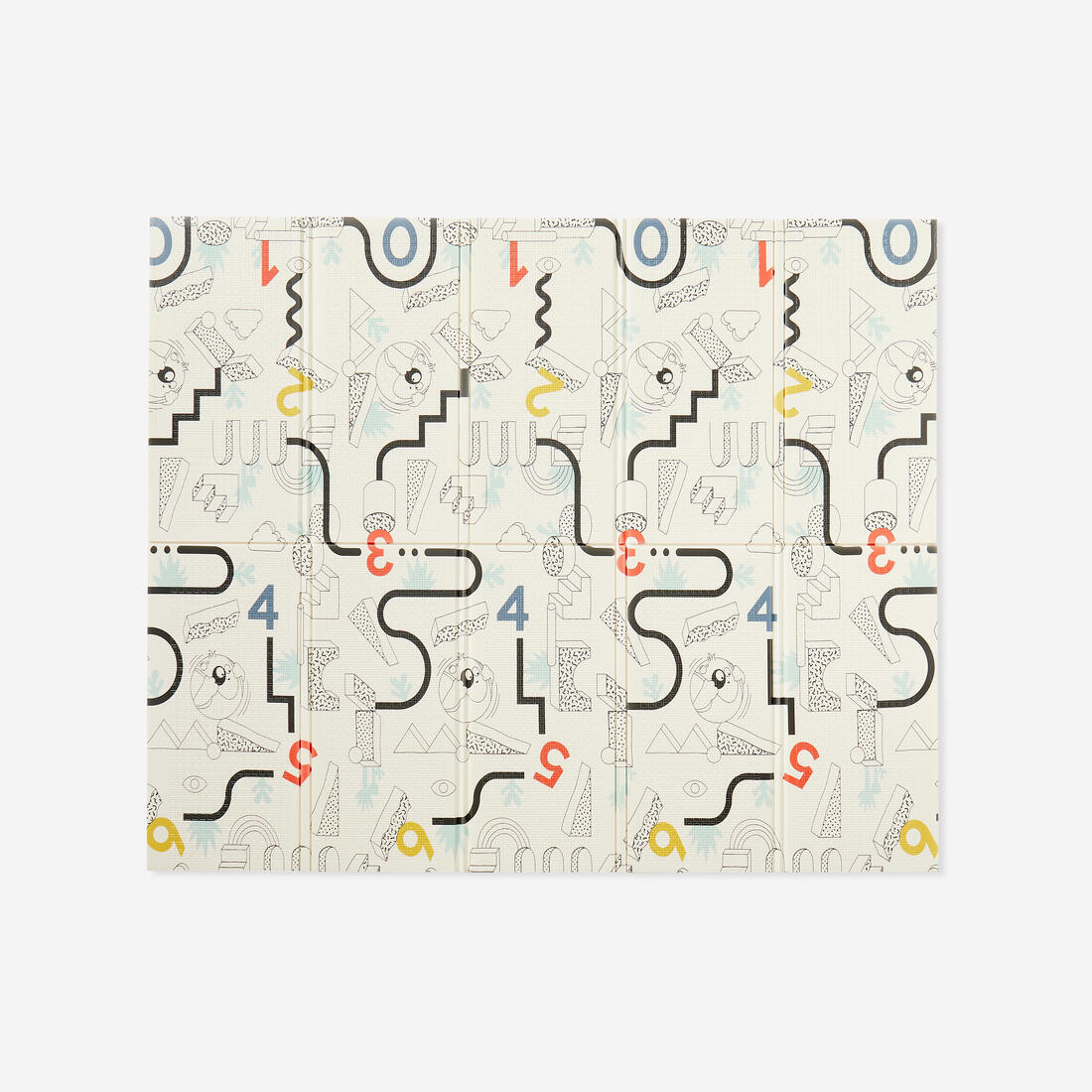

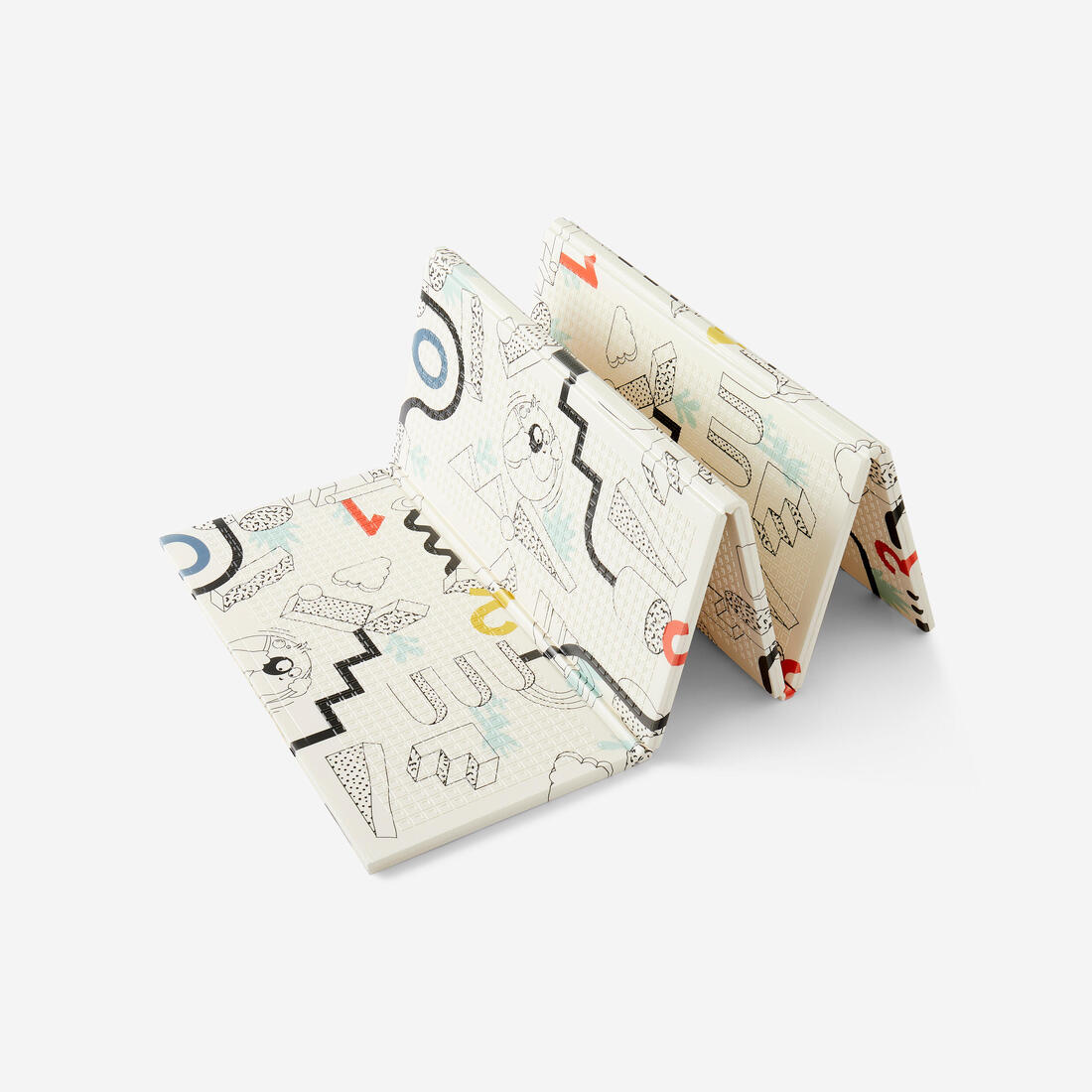
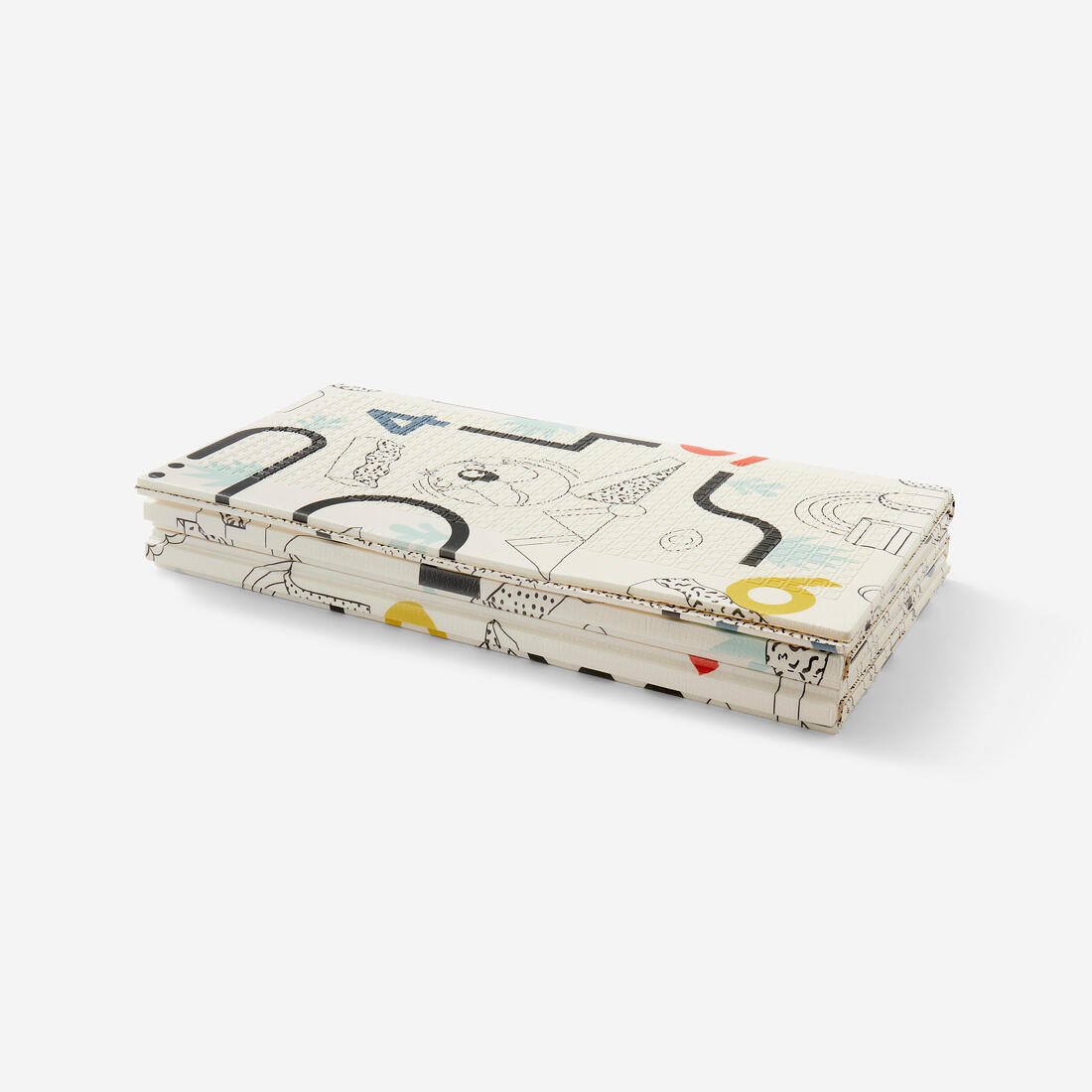
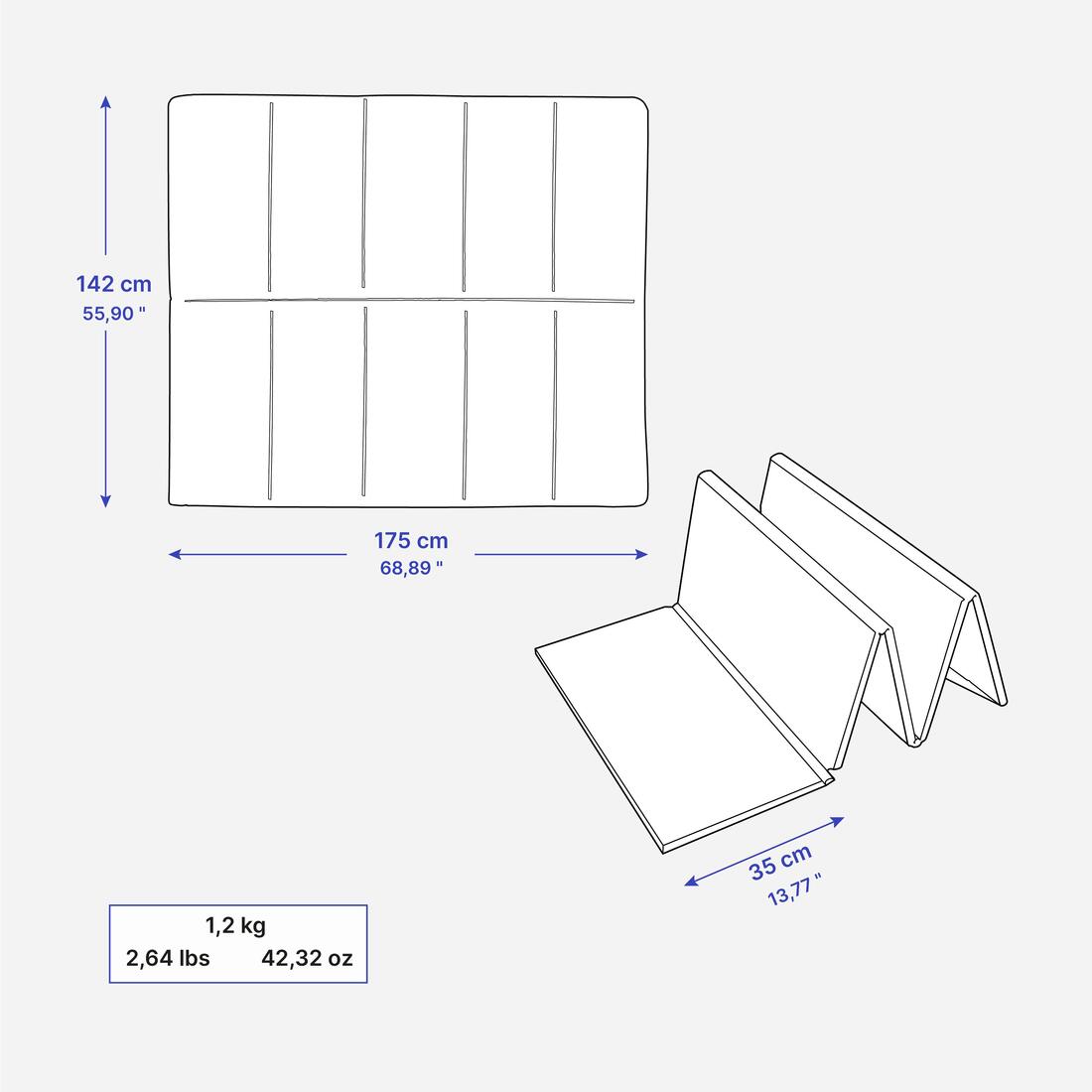
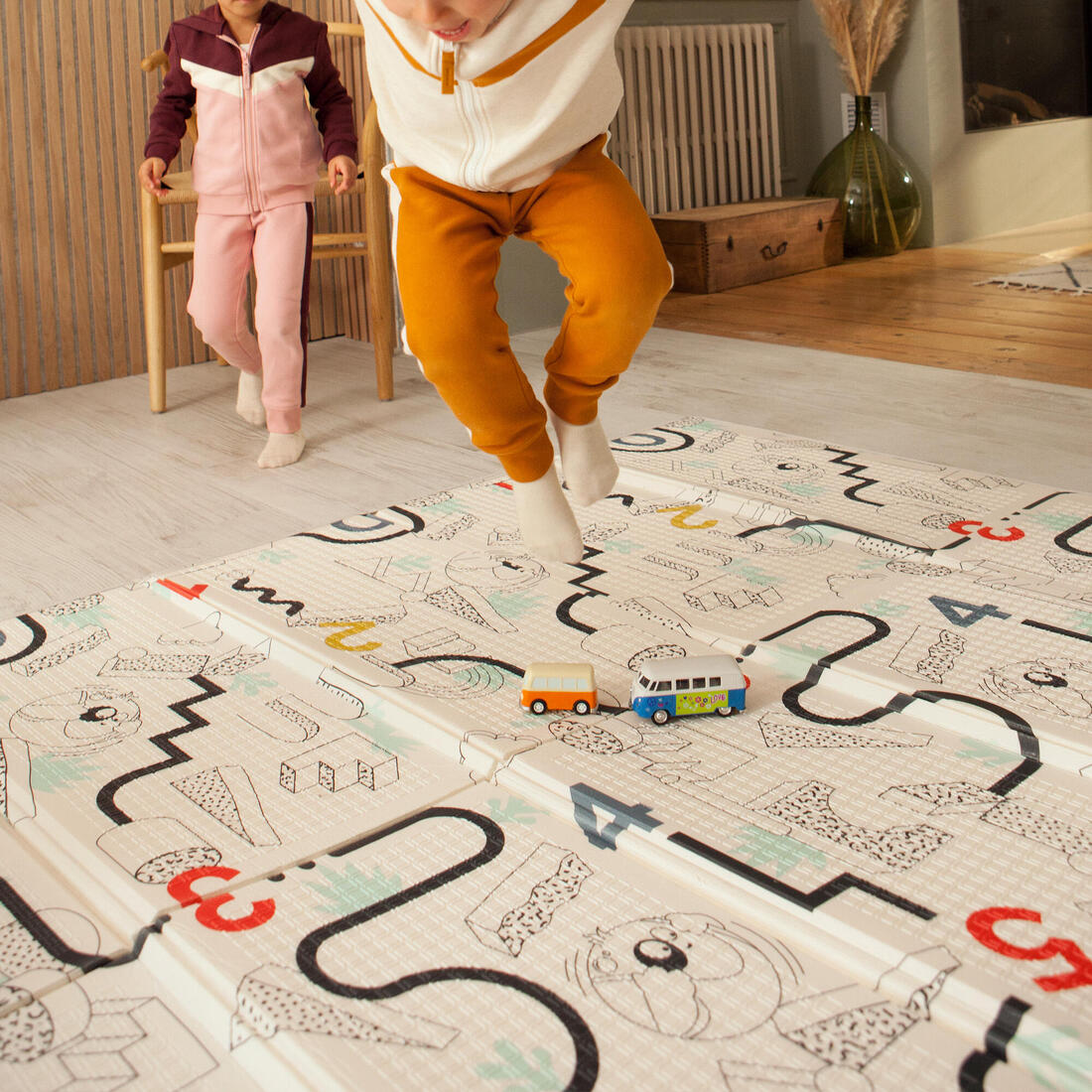
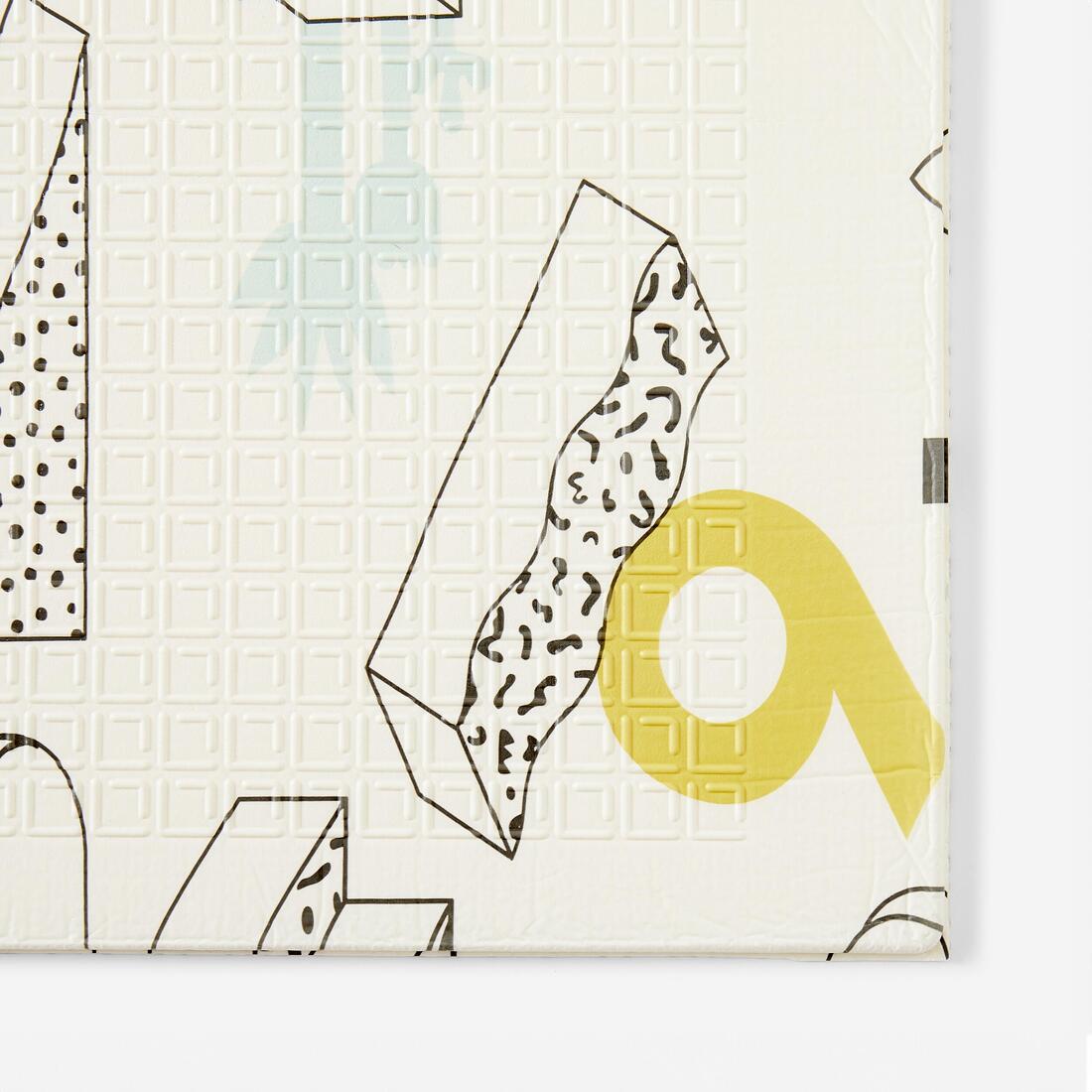
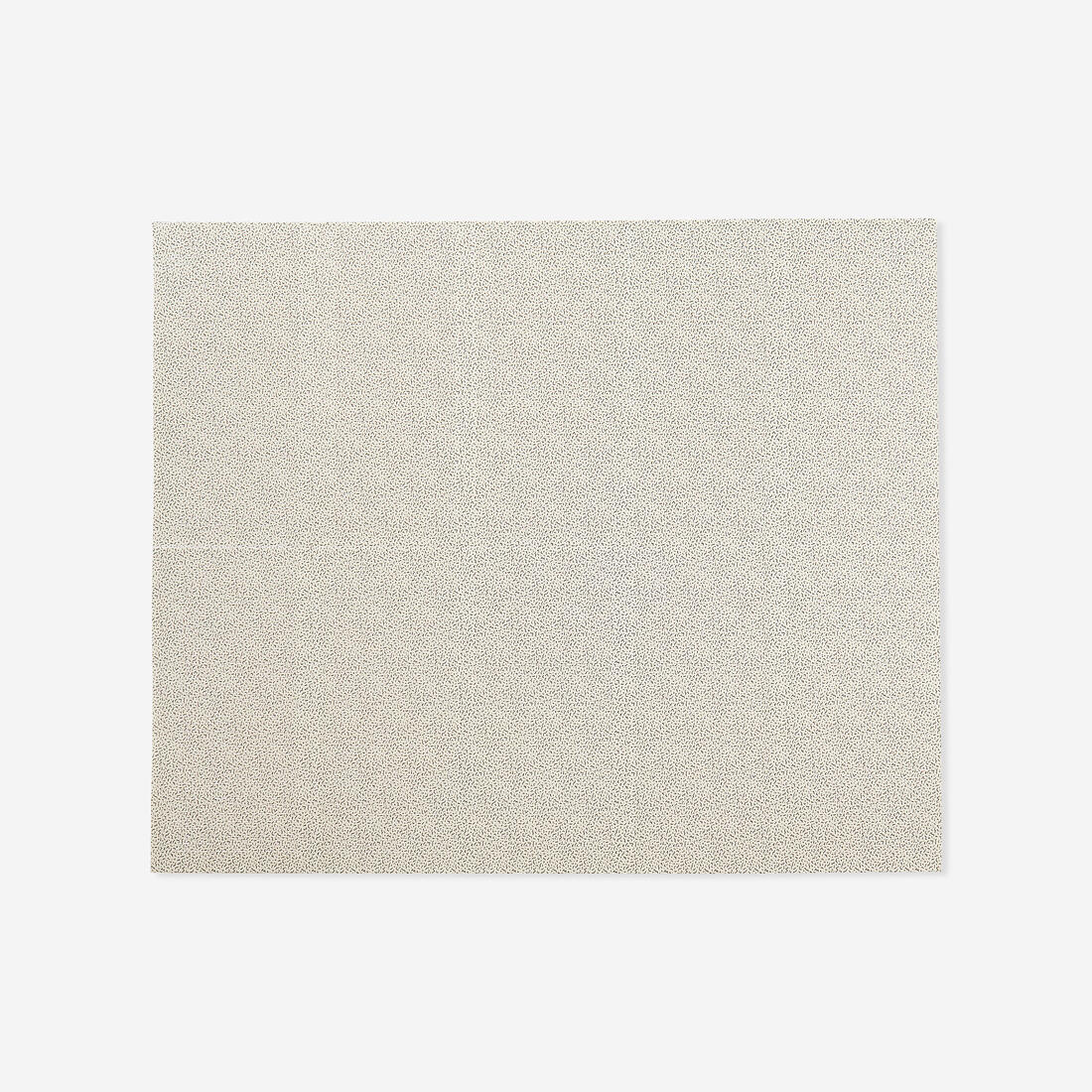
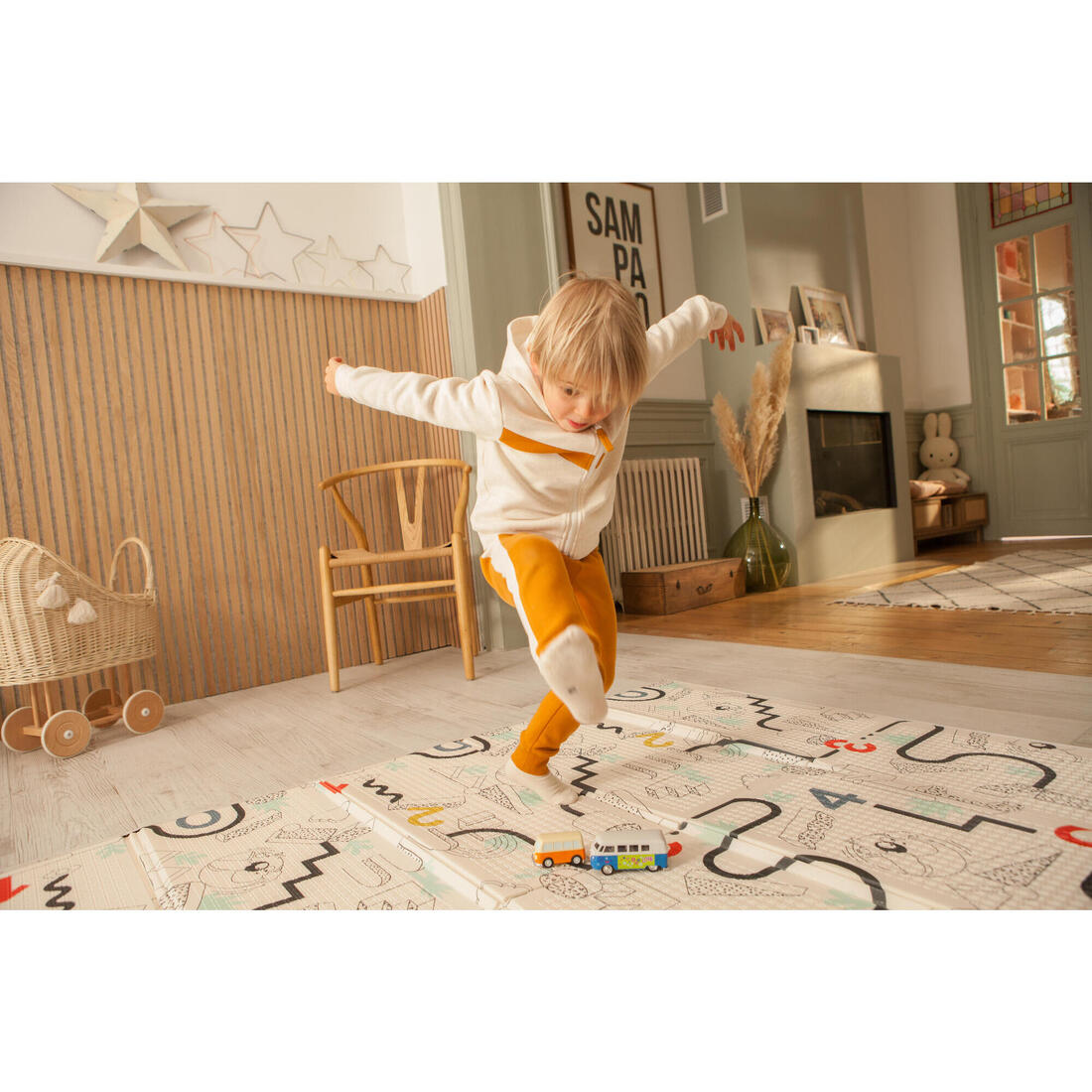
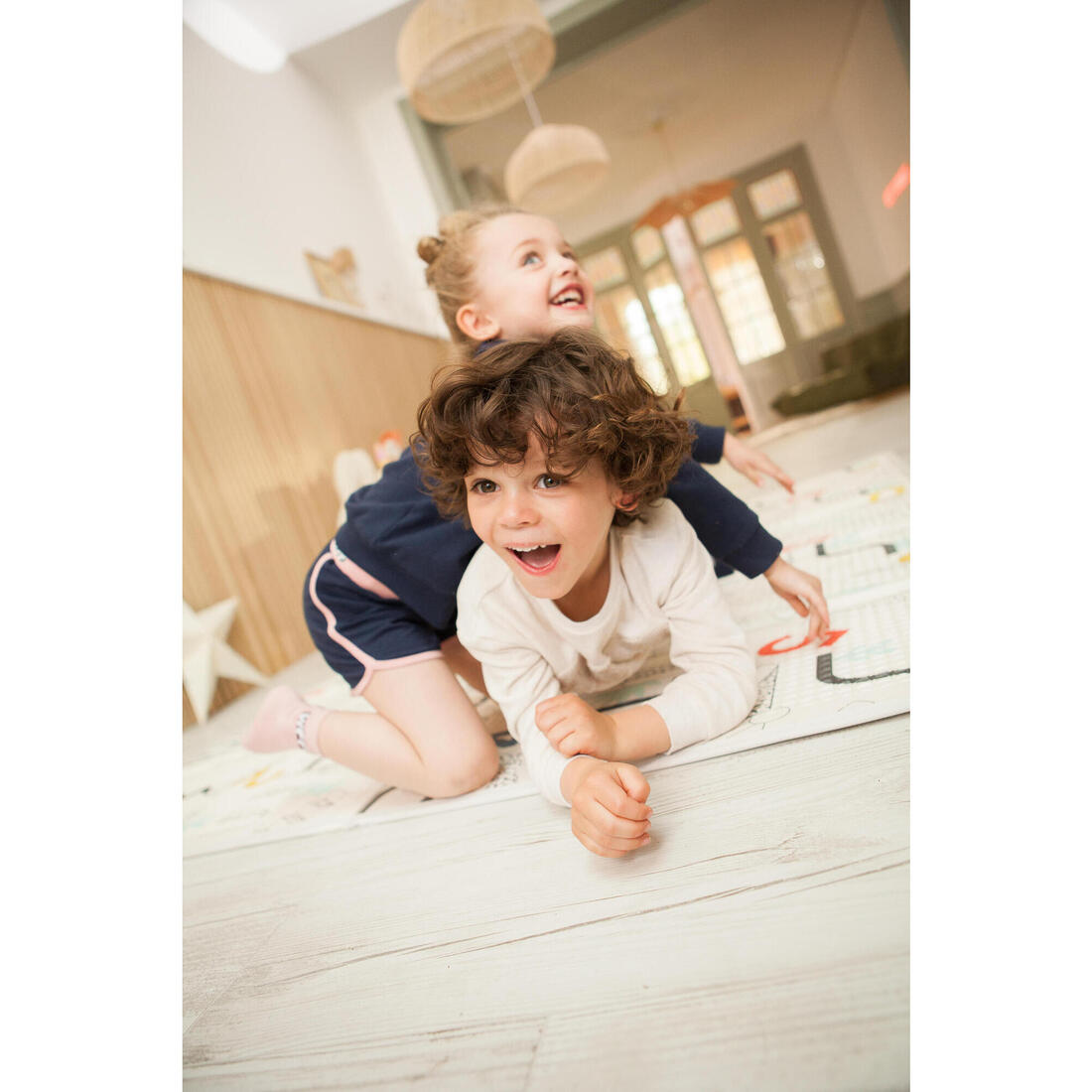
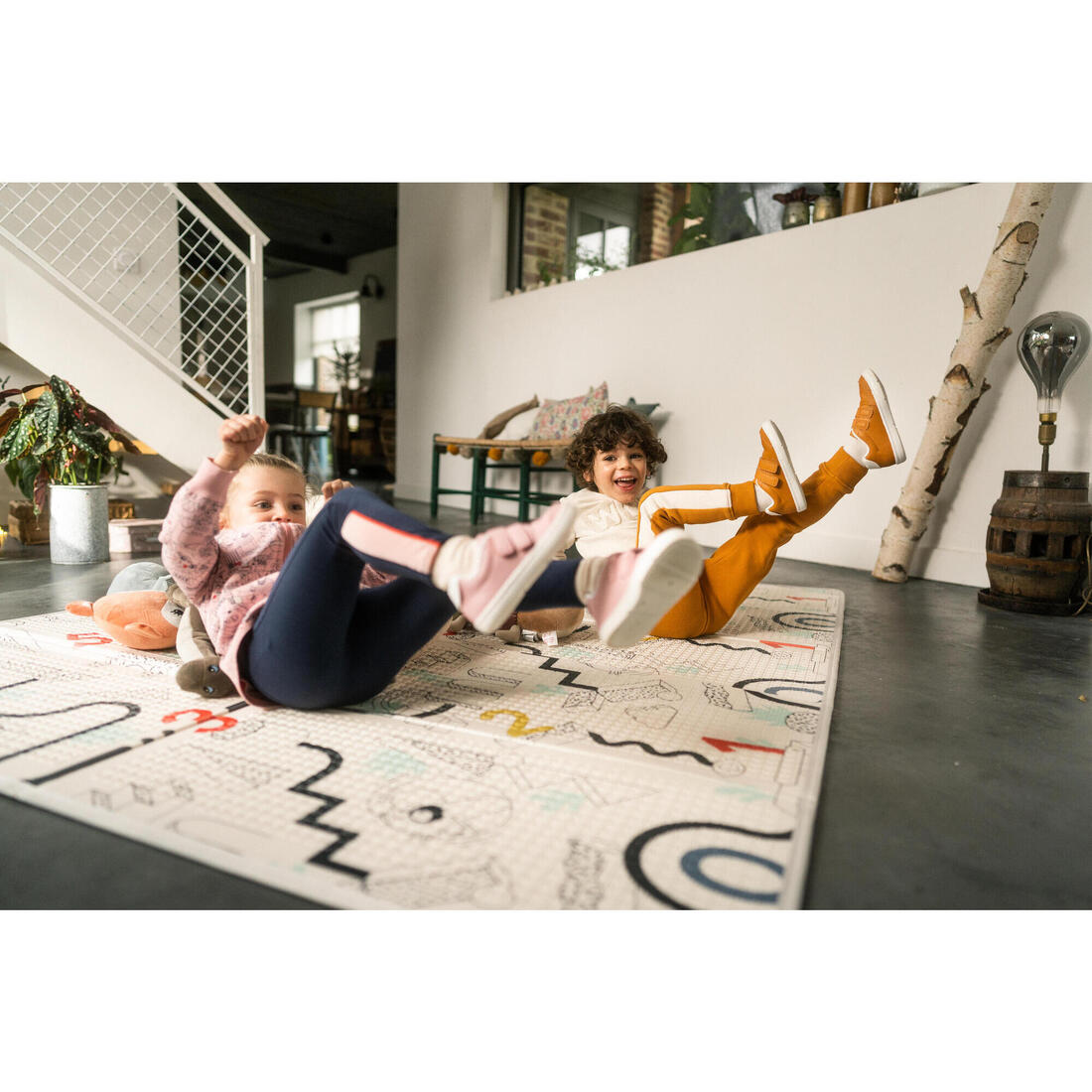
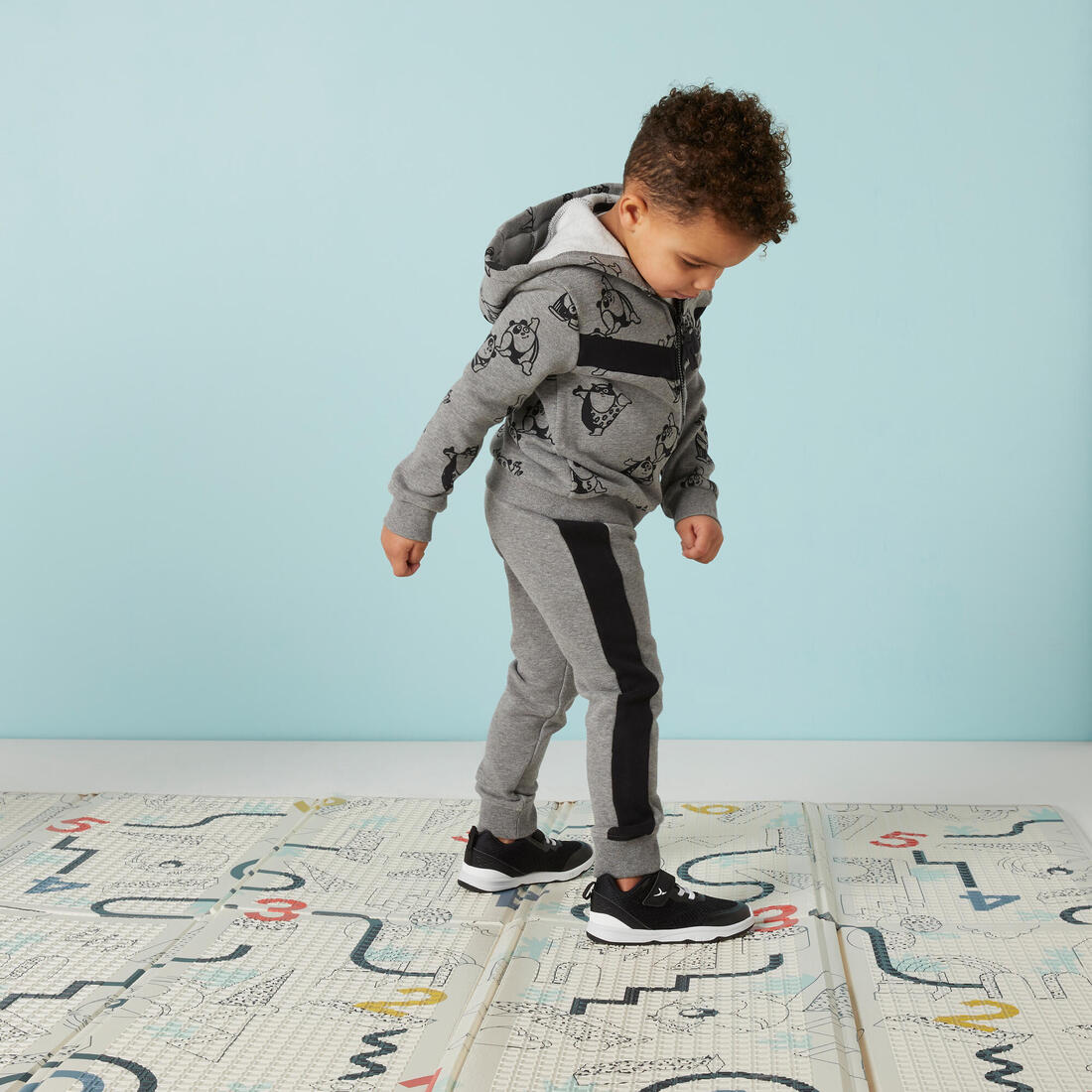
Collapsible stimulating mat for babies.Comfortable, quilted, reversible material that matches your home's décor. Dimensions: 1.47 m x 1.75 m x 1 cm thickness
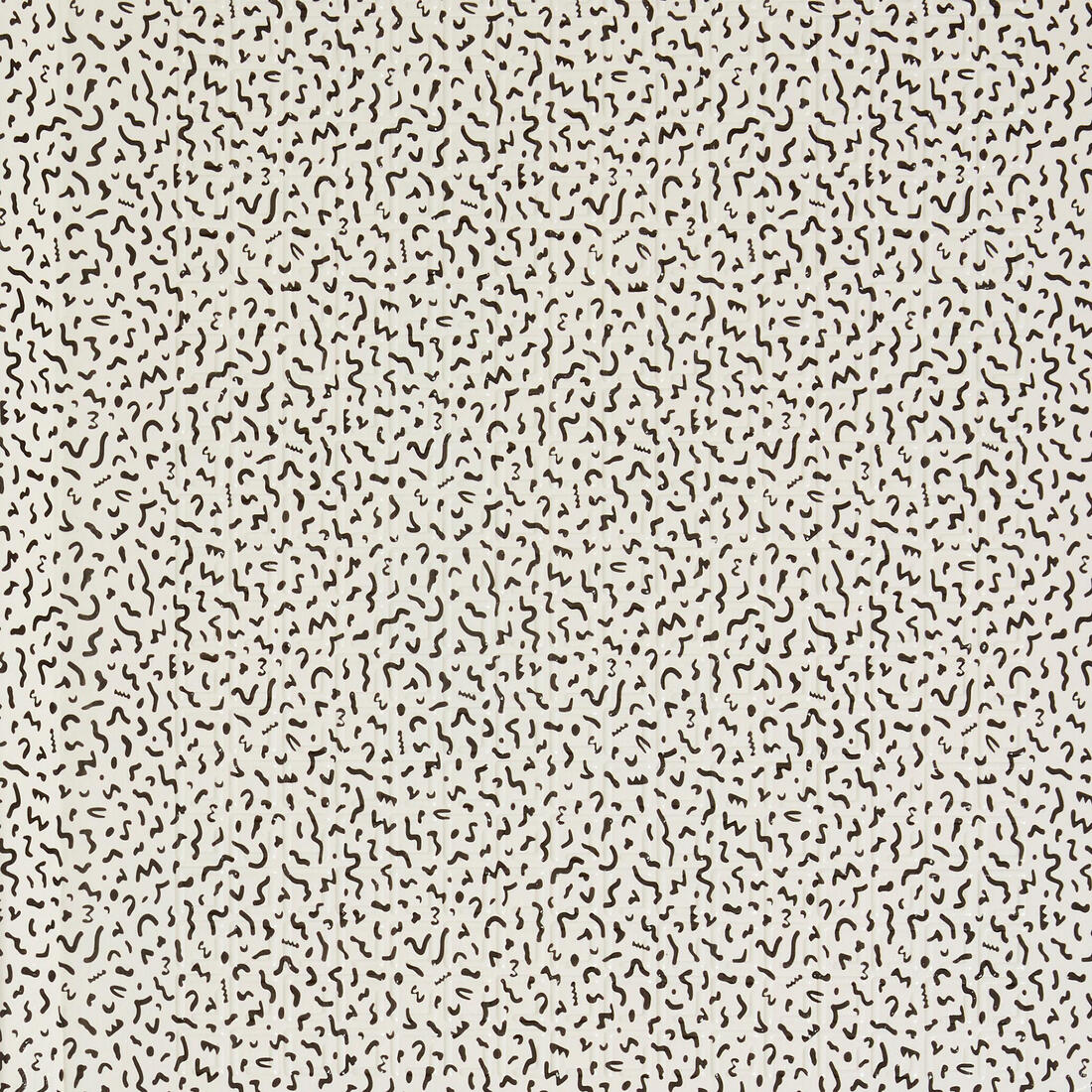
A collapsible stimulating mat. Folded side, patterns to stimulate your child. Exterior side, coordinates with living rooms that double as play rooms. Product approved by a physiotherapist
Size Guide
| Size | Chest (in) | Waist (in) |
|---|---|---|
| XS | 33.1 – 34.3 | 27.6 – 28.7 |
| S | 34.6 – 35.8 | 29.1 – 30.3 |
| M | 36.2 – 37.4 | 30.7 – 31.9 |
| L | 37.8 – 40.6 | 32.3 – 35.0 |
| XL | 40.9 – 44.5 | 35.4 – 39.4 |
| 2XL | 44.9 – 48.4 | 39.8 – 43.7 |
| 3XL | 48.8 – 53.1 | 44.1 – 48.4 |
| Size | Low hip (in) | Waist (in) |
|---|---|---|
| XS | 31.5 – 33.5 | 26.0 – 28.0 |
| S | 33.9 – 35.8 | 28.3 – 30.3 |
| M | 36.2 – 38.2 | 30.7 – 32.7 |
| L | 38.6 – 40.9 | 33.1 – 35.0 |
| XL | 41.3 – 43.7 | 35.4 – 38.2 |
| 2XL | 44.1 – 46.5 | 38.6 – 41.3 |
| 3XL | 46.9 – 49.6 | 41.7 – 44.5 |
Head: Wrap a tape measure around your head, above your eyebrows. Make sure it is parallel to the floor when you're looking straight ahead.
Chest: Wrap a tape measure around your back and measure the fullest part of your chest. Make sure it's straight and parallel to the floor. Look straight ahead, tighten the tape and breathe normally.
Waist: Wrap a tape measure around the narrowest part of your waist, above your belly button. Raise your head, tighten the tape and breathe normally.
Hand: Hold a tape measure at the bend of the thumb. Wrap around your palm.
| Size | Low hip (in) | Waist (in) |
|---|---|---|
| 2XS | 31.5 – 32.7 | 22.8 – 24.4 |
| XS | 33.1 – 34.3 | 24.4 – 25.6 |
| S | 34.6 – 35.8 | 26.0 – 27.2 |
| M | 36.2 – 37.4 | 27.6 – 28.7 |
| L | 37.8 – 40.6 | 29.1 – 33.1 |
| XL | 40.9 – 44.5 | 33.5 – 37.8 |
| 2XL | 44.9 – 48.4 | 38.2 – 42.5 |
| Size | Low hip (in) | Waist (in) |
|---|---|---|
| 2XS | 31.1 – 33.5 | 23.6 – 24.8 |
| XS | 33.5 – 35.4 | 25.2 – 26.8 |
| S | 35.4 – 37.8 | 27.2 – 28.7 |
| M | 37.8 – 40.2 | 29.1 – 31.1 |
| L | 40.2 – 42.5 | 31.5 – 33.9 |
| XL | 42.5 – 44.9 | 34.3 – 36.6 |
| 2XL | 44.9 – 47.2 | 37.0 – 39.4 |
| Size | Bust (in) | Underbust (in) |
|---|---|---|
| 2XS | 30.7 – 31.5 | 24.8 – 26.4 |
| XS | 31.5 – 33.5 | 24.8 – 28.3 |
| S | 33.5 – 35.4 | 26.8 – 30.3 |
| M | 35.4 – 37.4 | 28.7 – 32.3 |
| L | 37.4 – 39.4 | 30.7 – 34.3 |
| XL | 39.4 – 41.3 | 32.7 – 36.2 |
| 2XL | 41.3 – 43.3 | 34.6 – 38.2 |
Head: Wrap a tape measure around your head, above your eyebrows. Make sure it is parallel to the floor when you're looking straight ahead.
Bust: Wrap a tape measure around your back and measure the fullest part of your bust. Make sure it's straight and parallel to the floor. Look straight ahead, tighten the tape and breathe normally.
Underbust: Directly below the bust, wrap a tape measure around the ribcage. Make sure it's straight and parallel to the floor. Raise your head, tighten the tape and breathe normally.
Waist: Wrap a tape measure around the narrowest part of your waist, above your belly button. Raise your head, tighten the tape and breathe normally.
Hips: Wrap a tape measure around the fullest part of your hips.
Hand: Hold a tape measure at the bend of the thumb. Wrap around your palm.
| Age | Height (in) | Chest (in) | Waist (in) | Low hip (in) |
|---|---|---|---|---|
| 6 months | 24.0 – 27.2 | 16.5 – 16.9 | 14.6 – 15.2 | 16.5 – 17.1 |
| 9 months | 27.6 – 28.3 | 16.9 – 17.3 | 15.2 – 15.6 | 17.1 – 17.7 |
| 12 months | 28.7 – 29.5 | 17.3 – 17.7 | 15.6 – 16.1 | 17.7 – 18.5 |
| 18 months | 29.9 – 31.9 | 18.1 – 18.5 | 16.3 – 16.9 | 18.5 – 19.3 |
| 24 months | 32.3 – 34.6 | 18.9 – 19.3 | 17.3 – 18.1 | 19.3 – 20.3 |
| 2 – 3 years | 35.0 – 37.4 | 19.7 – 20.1 | 18.1 – 18.9 | 20.3 – 20.9 |
| 3 – 4 years | 37.8 – 40.2 | 20.5 – 21.3 | 19.3 – 20.1 | 21.3 – 22.4 |
| 4 – 5 years | 40.6 – 44.1 | 21.7 – 22.4 | 20.1 – 20.9 | 22.8 – 24.0 |
| 5 – 6 years | 44.5 – 48.0 | 22.8 – 23.6 | 20.9 – 21.7 | 24.4 – 25.6 |
| 7 – 8 years | 48.4 – 51.2 | 24.4 – 24.8 | 21.7 – 22.4 | 26.0 – 27.2 |
| 8 – 9 years | 51.6 – 55.1 | 25.2 – 26.4 | 22.8 – 23.6 | 27.6 – 28.7 |
| 10 – 11 years | 55.5 – 59.1 | 26.8 – 28.7 | 24.0 – 25.2 | 29.1 – 30.3 |
| 12 – 13 years | 59.4 – 63.0 | 29.1 – 31.5 | 25.6 – 27.2 | 30.7 – 33.1 |
| 14 – 15 years | 63.4 – 67.7 | 31.9 – 34.6 | 27.6 – 29.1 | 33.5 – 35.8 |
| Age | Height (in) | Chest (in) | Waist (in) | Low hip (in) |
|---|---|---|---|---|
| 6 months | 24.0 – 27.2 | 15.4 – 16.9 | 13.4 – 15.2 | 15.4 – 17.1 |
| 9 months | 27.6 – 28.3 | 16.9 – 17.3 | 15.2 – 15.6 | 17.1 – 17.7 |
| 12 months | 28.7 – 29.5 | 17.3 – 17.7 | 15.6 – 16.1 | 17.7 – 18.5 |
| 18 months | 29.9 – 31.9 | 18.1 – 18.5 | 16.3 – 16.9 | 18.5 – 19.3 |
| 24 months | 32.3 – 34.6 | 18.9 – 19.3 | 17.3 – 18.1 | 19.3 – 20.3 |
| 2 – 3 years | 35.0 – 37.4 | 19.7 – 20.1 | 18.1 – 18.9 | 20.3 – 20.9 |
| 3 – 4 years | 37.8 – 40.2 | 20.5 – 21.3 | 19.3 – 20.1 | 21.3 – 22.4 |
| 4 – 5 years | 40.6 – 44.1 | 21.7 – 22.4 | 20.1 – 20.9 | 22.8 – 24.0 |
| 5 – 6 years | 44.5 – 48.0 | 22.8 – 23.6 | 20.9 – 21.7 | 24.4 – 25.6 |
| 7 – 8 years | 48.4 – 51.2 | 24.4 – 24.8 | 21.7 – 22.4 | 26.0 – 27.2 |
| 8 – 9 years | 51.6 – 55.1 | 25.2 – 26.4 | 22.8 – 23.6 | 27.6 – 28.7 |
| 10 – 11 years | 55.5 – 58.3 | 26.8 – 28.0 | 24.0 – 24.8 | 29.1 – 31.9 |
| 12 – 13 years | 58.7 – 62.6 | 28.3 – 31.9 | 25.2 – 26.4 | 32.3 – 35.0 |
| 14 – 15 years | 63.0 – 65.4 | 32.3 – 33.9 | 26.8 – 28.0 | 35.4 – 36.6 |
Height: Stand against a wall, barefoot or in socks, heels pasted to the wall. Stand right, then hold a book or flat object on the top of your head. Block the book, mark the bottom edge of the book. Measure the distance from the floor to the mark.
Head: Wrap a tape measure around your head, above your eyebrows. Make sure it is parallel to the floor when your head is straight.
Hand: Hold a tape measure at the bend of the thumb. Wrap around your palm.
| US Size | Foot length (in) | EU Size | Foot length (cm) |
|---|---|---|---|
| 6 | 9.6 | 38.5 | 24.5 |
| 6.5 | 9.6 | 39 | 24.5 |
| 7 | 9.8 | 39.5 | 25 |
| 7.5 | 10 | 40 | 25.5 |
| 7.5 | 10 | 40.5 | 25.5 |
| 8 | 10.2 | 41 | 26 |
| 8.5 | 10.4 | 41.5 | 26.5 |
| 9 | 10.4 | 42 | 26.5 |
| 9.5 | 10.6 | 42.5 | 27 |
| 9.5 | 10.8 | 43 | 27.5 |
| 10 | 11 | 43.5 | 27.5 |
| 10.5 | 11 | 44 | 28 |
| 11 | 11.2 | 44.5 | 28.5 |
| 11.5 | 11.2 | 45 | 28.5 |
| 11.5 | 11.4 | 45.5 | 29 |
| 12 | 11.6 | 46 | 29.5 |
| 12.5 | 11.6 | 46.5 | 29.5 |
| US Size | Foot length (in) | EU Size | Foot length (cm) |
|---|---|---|---|
| 4 | 8.25 | 34 | 20.8 |
| 4.5 | 8.5 | 34.5 | 21.3 |
| 5 | 8.7 | 35 | 22 |
| 5.5 | 8.9 | 35.5 | 22.5 |
| 5.5 | 8.9 | 36 | 22.5 |
| 6 | 9.1 | 36.5 | 23 |
| 6.5 | 9.3 | 37 | 23.5 |
| 7 | 9.3 | 37 | 23.5 |
| 7.5 | 9.4 | 38 | 24 |
| 7.5 | 9.6 | 38.5 | 24.5 |
| 8 | 9.6 | 39 | 24.5 |
| 8.5 | 9.8 | 39.5 | 25 |
| 9 | 10 | 40 | 25.5 |
| 9 | 10 | 40.5 | 25.5 |
| 9.5 | 10.2 | 41 | 26 |
| 10 | 10.4 | 41.5 | 26.5 |
| 10.5 | 10.4 | 42 | 26.5 |
| Women's / Men's US Size | Foot length (in) | EU Size | Foot length (cm) |
|---|---|---|---|
| W5 / M3.5 | 8.6 | 35 | 21.9 |
| W5.5 / M4 | 8.9 | 36 | 22.5 |
| W6 / M4.5 | 9.1 | 36.5 | 23 |
| W6.5 / M5 | 9.3 | 37 | 23.5 |
| W7 / M5.5 | 9.3 | 37.5 | 23.5 |
| W7.5 / M6 | 9.4 | 38 | 24 |
| W8 / M6.5 | 9.6 | 39 | 24.5 |
| W8.5 / M7 | 9.8 | 39.5 | 25 |
| W9 / M7.5 | 10 | 40 | 25.5 |
| W9.5 / M8 | 10.2 | 41 | 26 |
| W10 / M8.5 | 10.4 | 41.5 | 26.5 |
| W10.5 / M9 | 10.4 | 42 | 26.5 |
| W11 / M9.5 | 10.8 | 43 | 27.5 |
| W11.5 / M10 | 11 | 43.5 | 27.5 |
| W12 / M10.5 | 11 | 44 | 28 |
| W12.5 / M11 | 11.2 | 44.5 | 28.5 |
| W13 / M11.5 | 11.2 | 45 | 28.5 |
| W14 / M12 | 11.6 | 46 | 29.5 |
| W15 / M13 | 11.8 | 47 | 30 |
| W16 / M13.5 | 12 | 48 | 30.5 |
Foot length: Stand against a wall, heels touching the wall. Put an object (e.g. book) against your longest toe. Measure the length between the wall and the object. Repeat this process for the other foot. If the lengths are different, choose the largest.
| US Size | Head (in) |
|---|---|
| 2XS | 18.5 – 19.7 |
| XS | 19.7 – 20.9 |
| S | 20.9 – 22.0 |
| M | 22.0 – 23.2 |
| L | 23.2 – 24.4 |
| US Size | Head (in) |
|---|---|
| 2XS | 17.3 – 19.3 |
| XS | 18.5 – 20.5 |
| S | 20.5 – 21.7 |
| M | 21.7 – 23.2 |
| L | 23.2 – 24.4 |
| Size | Palm perimeter (in) | Hand length (in) |
|---|---|---|
| 2XS | 7.0 – 7.3 | 6.3 – 6.6 |
| XS | 7.3 – 7.6 | 6.7 – 6.9 |
| S | 7.6 – 7.9 | 7.0 – 7.2 |
| M | 8.0 – 8.2 | 7.2 – 7.4 |
| L | 8.3 – 8.5 | 7.4 – 7.7 |
| XL | 8.6 – 8.9 | 7.7 – 7.9 |
| 2XL | 8.9 – 9.2 | 8.0 – 8.1 |
| 3XL | 9.2 – 9.5 | 8.2 – 8.4 |
Head: Wrap a tape measure around your head, above your eyebrows. Make sure it is parallel to the floor when your head is straight.
Hand: Hold a tape measure at the bend of the thumb. Wrap around your palm.
| Bike size | Height (ft) |
|---|---|
| 12" | 2'5" – 3'0" |
| 14" | 3'0" – 3'5" |
| 16" | 3'5" – 3'11" |
| 20" | 3'11" – 4'5" |
| 24" | 4'5" – 5'1" |
| Bike size | Height (ft) |
|---|---|
| XS | 5'1" – 5'5" |
| S | 5'5" – 5'8" |
| M | 5'8" – 5'11" |
| L | 5'11" – 6'2" |
| XL | 6'2" – 6'7" |
| Bike size | Height (ft) |
|---|---|
| S | 4'11" – 5'5" |
| M | 5'5" – 5'9" |
| L | 5'9" – 6'0" |
| XL | 6'0" – 6'7" |
Size Guide
| Size | Chest (in) | Waist (in) |
|---|---|---|
| XS | 33.1 – 34.3 | 27.6 – 28.7 |
| S | 34.6 – 35.8 | 29.1 – 30.3 |
| M | 36.2 – 37.4 | 30.7 – 31.9 |
| L | 37.8 – 40.6 | 32.3 – 35.0 |
| XL | 40.9 – 44.5 | 35.4 – 39.4 |
| 2XL | 44.9 – 48.4 | 39.8 – 43.7 |
| 3XL | 48.8 – 53.1 | 44.1 – 48.4 |
| Size | Low hip (in) | Waist (in) |
|---|---|---|
| XS | 31.5 – 33.5 | 26.0 – 28.0 |
| S | 33.9 – 35.8 | 28.3 – 30.3 |
| M | 36.2 – 38.2 | 30.7 – 32.7 |
| L | 38.6 – 40.9 | 33.1 – 35.0 |
| XL | 41.3 – 43.7 | 35.4 – 38.2 |
| 2XL | 44.1 – 46.5 | 38.6 – 41.3 |
| 3XL | 46.9 – 49.6 | 41.7 – 44.5 |
Head: Wrap a tape measure around your head, above your eyebrows. Make sure it is parallel to the floor when you're looking straight ahead.
Chest: Wrap a tape measure around your back and measure the fullest part of your chest. Make sure it's straight and parallel to the floor. Look straight ahead, tighten the tape and breathe normally.
Waist: Wrap a tape measure around the narrowest part of your waist, above your belly button. Raise your head, tighten the tape and breathe normally.
Hand: Hold a tape measure at the bend of the thumb. Wrap around your palm.
| Size | Low hip (in) | Waist (in) |
|---|---|---|
| 2XS | 31.5 – 32.7 | 22.8 – 24.4 |
| XS | 33.1 – 34.3 | 24.4 – 25.6 |
| S | 34.6 – 35.8 | 26.0 – 27.2 |
| M | 36.2 – 37.4 | 27.6 – 28.7 |
| L | 37.8 – 40.6 | 29.1 – 33.1 |
| XL | 40.9 – 44.5 | 33.5 – 37.8 |
| 2XL | 44.9 – 48.4 | 38.2 – 42.5 |
| Size | Low hip (in) | Waist (in) |
|---|---|---|
| 2XS | 31.1 – 33.5 | 23.6 – 24.8 |
| XS | 33.5 – 35.4 | 25.2 – 26.8 |
| S | 35.4 – 37.8 | 27.2 – 28.7 |
| M | 37.8 – 40.2 | 29.1 – 31.1 |
| L | 40.2 – 42.5 | 31.5 – 33.9 |
| XL | 42.5 – 44.9 | 34.3 – 36.6 |
| 2XL | 44.9 – 47.2 | 37.0 – 39.4 |
| Size | Bust (in) | Underbust (in) |
|---|---|---|
| 2XS | 30.7 – 31.5 | 24.8 – 26.4 |
| XS | 31.5 – 33.5 | 24.8 – 28.3 |
| S | 33.5 – 35.4 | 26.8 – 30.3 |
| M | 35.4 – 37.4 | 28.7 – 32.3 |
| L | 37.4 – 39.4 | 30.7 – 34.3 |
| XL | 39.4 – 41.3 | 32.7 – 36.2 |
| 2XL | 41.3 – 43.3 | 34.6 – 38.2 |
Head: Wrap a tape measure around your head, above your eyebrows. Make sure it is parallel to the floor when you're looking straight ahead.
Bust: Wrap a tape measure around your back and measure the fullest part of your bust. Make sure it's straight and parallel to the floor. Look straight ahead, tighten the tape and breathe normally.
Underbust: Directly below the bust, wrap a tape measure around the ribcage. Make sure it's straight and parallel to the floor. Raise your head, tighten the tape and breathe normally.
Waist: Wrap a tape measure around the narrowest part of your waist, above your belly button. Raise your head, tighten the tape and breathe normally.
Hips: Wrap a tape measure around the fullest part of your hips.
Hand: Hold a tape measure at the bend of the thumb. Wrap around your palm.
| Age | Height (in) | Chest (in) | Waist (in) | Low hip (in) |
|---|---|---|---|---|
| 6 months | 24.0 – 27.2 | 16.5 – 16.9 | 14.6 – 15.2 | 16.5 – 17.1 |
| 9 months | 27.6 – 28.3 | 16.9 – 17.3 | 15.2 – 15.6 | 17.1 – 17.7 |
| 12 months | 28.7 – 29.5 | 17.3 – 17.7 | 15.6 – 16.1 | 17.7 – 18.5 |
| 18 months | 29.9 – 31.9 | 18.1 – 18.5 | 16.3 – 16.9 | 18.5 – 19.3 |
| 24 months | 32.3 – 34.6 | 18.9 – 19.3 | 17.3 – 18.1 | 19.3 – 20.3 |
| 2 – 3 years | 35.0 – 37.4 | 19.7 – 20.1 | 18.1 – 18.9 | 20.3 – 20.9 |
| 3 – 4 years | 37.8 – 40.2 | 20.5 – 21.3 | 19.3 – 20.1 | 21.3 – 22.4 |
| 4 – 5 years | 40.6 – 44.1 | 21.7 – 22.4 | 20.1 – 20.9 | 22.8 – 24.0 |
| 5 – 6 years | 44.5 – 48.0 | 22.8 – 23.6 | 20.9 – 21.7 | 24.4 – 25.6 |
| 7 – 8 years | 48.4 – 51.2 | 24.4 – 24.8 | 21.7 – 22.4 | 26.0 – 27.2 |
| 8 – 9 years | 51.6 – 55.1 | 25.2 – 26.4 | 22.8 – 23.6 | 27.6 – 28.7 |
| 10 – 11 years | 55.5 – 59.1 | 26.8 – 28.7 | 24.0 – 25.2 | 29.1 – 30.3 |
| 12 – 13 years | 59.4 – 63.0 | 29.1 – 31.5 | 25.6 – 27.2 | 30.7 – 33.1 |
| 14 – 15 years | 63.4 – 67.7 | 31.9 – 34.6 | 27.6 – 29.1 | 33.5 – 35.8 |
| Age | Height (in) | Chest (in) | Waist (in) | Low hip (in) |
|---|---|---|---|---|
| 6 months | 24.0 – 27.2 | 15.4 – 16.9 | 13.4 – 15.2 | 15.4 – 17.1 |
| 9 months | 27.6 – 28.3 | 16.9 – 17.3 | 15.2 – 15.6 | 17.1 – 17.7 |
| 12 months | 28.7 – 29.5 | 17.3 – 17.7 | 15.6 – 16.1 | 17.7 – 18.5 |
| 18 months | 29.9 – 31.9 | 18.1 – 18.5 | 16.3 – 16.9 | 18.5 – 19.3 |
| 24 months | 32.3 – 34.6 | 18.9 – 19.3 | 17.3 – 18.1 | 19.3 – 20.3 |
| 2 – 3 years | 35.0 – 37.4 | 19.7 – 20.1 | 18.1 – 18.9 | 20.3 – 20.9 |
| 3 – 4 years | 37.8 – 40.2 | 20.5 – 21.3 | 19.3 – 20.1 | 21.3 – 22.4 |
| 4 – 5 years | 40.6 – 44.1 | 21.7 – 22.4 | 20.1 – 20.9 | 22.8 – 24.0 |
| 5 – 6 years | 44.5 – 48.0 | 22.8 – 23.6 | 20.9 – 21.7 | 24.4 – 25.6 |
| 7 – 8 years | 48.4 – 51.2 | 24.4 – 24.8 | 21.7 – 22.4 | 26.0 – 27.2 |
| 8 – 9 years | 51.6 – 55.1 | 25.2 – 26.4 | 22.8 – 23.6 | 27.6 – 28.7 |
| 10 – 11 years | 55.5 – 58.3 | 26.8 – 28.0 | 24.0 – 24.8 | 29.1 – 31.9 |
| 12 – 13 years | 58.7 – 62.6 | 28.3 – 31.9 | 25.2 – 26.4 | 32.3 – 35.0 |
| 14 – 15 years | 63.0 – 65.4 | 32.3 – 33.9 | 26.8 – 28.0 | 35.4 – 36.6 |
Height: Stand against a wall, barefoot or in socks, heels pasted to the wall. Stand right, then hold a book or flat object on the top of your head. Block the book, mark the bottom edge of the book. Measure the distance from the floor to the mark.
Head: Wrap a tape measure around your head, above your eyebrows. Make sure it is parallel to the floor when your head is straight.
Hand: Hold a tape measure at the bend of the thumb. Wrap around your palm.
| US Size | Foot length (in) | EU Size | Foot length (cm) |
|---|---|---|---|
| 6 | 9.6 | 38.5 | 24.5 |
| 6.5 | 9.6 | 39 | 24.5 |
| 7 | 9.8 | 39.5 | 25 |
| 7.5 | 10 | 40 | 25.5 |
| 7.5 | 10 | 40.5 | 25.5 |
| 8 | 10.2 | 41 | 26 |
| 8.5 | 10.4 | 41.5 | 26.5 |
| 9 | 10.4 | 42 | 26.5 |
| 9.5 | 10.6 | 42.5 | 27 |
| 9.5 | 10.8 | 43 | 27.5 |
| 10 | 11 | 43.5 | 27.5 |
| 10.5 | 11 | 44 | 28 |
| 11 | 11.2 | 44.5 | 28.5 |
| 11.5 | 11.2 | 45 | 28.5 |
| 11.5 | 11.4 | 45.5 | 29 |
| 12 | 11.6 | 46 | 29.5 |
| 12.5 | 11.6 | 46.5 | 29.5 |
| US Size | Foot length (in) | EU Size | Foot length (cm) |
|---|---|---|---|
| 4 | 8.25 | 34 | 20.8 |
| 4.5 | 8.5 | 34.5 | 21.3 |
| 5 | 8.7 | 35 | 22 |
| 5.5 | 8.9 | 35.5 | 22.5 |
| 5.5 | 8.9 | 36 | 22.5 |
| 6 | 9.1 | 36.5 | 23 |
| 6.5 | 9.3 | 37 | 23.5 |
| 7 | 9.3 | 37 | 23.5 |
| 7.5 | 9.4 | 38 | 24 |
| 7.5 | 9.6 | 38.5 | 24.5 |
| 8 | 9.6 | 39 | 24.5 |
| 8.5 | 9.8 | 39.5 | 25 |
| 9 | 10 | 40 | 25.5 |
| 9 | 10 | 40.5 | 25.5 |
| 9.5 | 10.2 | 41 | 26 |
| 10 | 10.4 | 41.5 | 26.5 |
| 10.5 | 10.4 | 42 | 26.5 |
| Women's / Men's US Size | Foot length (in) | EU Size | Foot length (cm) |
|---|---|---|---|
| W5 / M3.5 | 8.6 | 35 | 21.9 |
| W5.5 / M4 | 8.9 | 36 | 22.5 |
| W6 / M4.5 | 9.1 | 36.5 | 23 |
| W6.5 / M5 | 9.3 | 37 | 23.5 |
| W7 / M5.5 | 9.3 | 37.5 | 23.5 |
| W7.5 / M6 | 9.4 | 38 | 24 |
| W8 / M6.5 | 9.6 | 39 | 24.5 |
| W8.5 / M7 | 9.8 | 39.5 | 25 |
| W9 / M7.5 | 10 | 40 | 25.5 |
| W9.5 / M8 | 10.2 | 41 | 26 |
| W10 / M8.5 | 10.4 | 41.5 | 26.5 |
| W10.5 / M9 | 10.4 | 42 | 26.5 |
| W11 / M9.5 | 10.8 | 43 | 27.5 |
| W11.5 / M10 | 11 | 43.5 | 27.5 |
| W12 / M10.5 | 11 | 44 | 28 |
| W12.5 / M11 | 11.2 | 44.5 | 28.5 |
| W13 / M11.5 | 11.2 | 45 | 28.5 |
| W14 / M12 | 11.6 | 46 | 29.5 |
| W15 / M13 | 11.8 | 47 | 30 |
| W16 / M13.5 | 12 | 48 | 30.5 |
Foot length: Stand against a wall, heels touching the wall. Put an object (e.g. book) against your longest toe. Measure the length between the wall and the object. Repeat this process for the other foot. If the lengths are different, choose the largest.
| US Size | Head (in) |
|---|---|
| 2XS | 18.5 – 19.7 |
| XS | 19.7 – 20.9 |
| S | 20.9 – 22.0 |
| M | 22.0 – 23.2 |
| L | 23.2 – 24.4 |
| US Size | Head (in) |
|---|---|
| 2XS | 17.3 – 19.3 |
| XS | 18.5 – 20.5 |
| S | 20.5 – 21.7 |
| M | 21.7 – 23.2 |
| L | 23.2 – 24.4 |
| Size | Palm perimeter (in) | Hand length (in) |
|---|---|---|
| 2XS | 7.0 – 7.3 | 6.3 – 6.6 |
| XS | 7.3 – 7.6 | 6.7 – 6.9 |
| S | 7.6 – 7.9 | 7.0 – 7.2 |
| M | 8.0 – 8.2 | 7.2 – 7.4 |
| L | 8.3 – 8.5 | 7.4 – 7.7 |
| XL | 8.6 – 8.9 | 7.7 – 7.9 |
| 2XL | 8.9 – 9.2 | 8.0 – 8.1 |
| 3XL | 9.2 – 9.5 | 8.2 – 8.4 |
Head: Wrap a tape measure around your head, above your eyebrows. Make sure it is parallel to the floor when your head is straight.
Hand: Hold a tape measure at the bend of the thumb. Wrap around your palm.
| Bike size | Height (ft) |
|---|---|
| 12" | 2'5" – 3'0" |
| 14" | 3'0" – 3'5" |
| 16" | 3'5" – 3'11" |
| 20" | 3'11" – 4'5" |
| 24" | 4'5" – 5'1" |
| Bike size | Height (ft) |
|---|---|
| XS | 5'1" – 5'5" |
| S | 5'5" – 5'8" |
| M | 5'8" – 5'11" |
| L | 5'11" – 6'2" |
| XL | 6'2" – 6'7" |
| Bike size | Height (ft) |
|---|---|
| S | 4'11" – 5'5" |
| M | 5'5" – 5'9" |
| L | 5'9" – 6'0" |
| XL | 6'0" – 6'7" |
Collapsible reversible stimulating baby gym mat
8640619 / Unique size / linen beige
Decathlon Bahrain City Centre
Mon–Wed & Sun: 10:00–23:00 | Thu–Sat: 10:00–00:00
Collapsible stimulating mat for babies.Comfortable, quilted, reversible material that matches your home's décor. Dimensions: 1.47 m x 1.75 m x 1 cm thickness
A collapsible stimulating mat. Folded side, patterns to stimulate your child. Exterior side, coordinates with living rooms that double as play rooms. Product approved by a physiotherapist
Collapsible stimulating mat for babies.Comfortable, quilted, reversible material that matches your home's décor. Dimensions: 1.47 m x 1.75 m x 1 cm thickness
It enables children to have enough sensory redundancy to boost their proprioception; Proprioception is necessary to meet major milestones in psychomotor development. This mat allows them to safely do these movements.In this way, this stimulating mat helps develop your child's psychomotor development. This product has been approved by a physiotherapist.
Children under the age of 4 must learn how to control their body and move in any given direction by slowly waddling forward on 2 feet. At 4-years-old, a child can walk, putting one foot in front of the other, on a path measuring at least a foot and a half wide. At age 6, children can walk heel to toe on a beam that is at least as wide as their feet.
Kids' psychomotor development depends on a combination of genetics, motor skills and mental abilities. A product can impact a child's psychomotor development if it supports their motor skills. There are several aspects to motor skills: the body map, dynamic coordination, balance, hand-eye coordination, fine motor skills and time and spatial awareness.
The body map refers to a child's perception of their body, which allows them to master their movements and develop self-awareness. It is developed based on sensations and actions ("a body that feels, moves"), before being represented and described ("bodily representation", drawing of a person). The more a child moves, the more they learn to refine their body map and the better they're able to move.
Hand-eye coordination includes actions required for aiming with part or all of your body: Youngsters develop this skill by mapping a path and then using their hands and feet to aim large objects at large targets. Then the objects and targets get smaller and smaller until they have excellent finger isolation: playing the piano, threading beads on a string, writing.
Time and space awareness includes everything that involves a child's perception of themselves in time (before/after, rhythmic activity, day/night, seasons, etc.) and space (in front/behind, on/under, right/left, etc.)
A collapsible stimulating mat. Folded side, patterns to stimulate your child. Exterior side, coordinates with living rooms that double as play rooms. Product approved by a physiotherapist
This mat is firm and stiff to help your child develop
Folded mat: 35 cm wide. 73.5 cm long and 9.5cm thick
The mat doesn't slide on the floor
Mat weight: 1.2 kg
Easily create a comfortable, safe play area for your child.
Waterproof material, easy to clean with water and soap
Collapsible stimulating mat for babies.Comfortable, quilted, reversible material that matches your home's décor. Dimensions: 1.47 m x 1.75 m x 1 cm thickness
Collapsible stimulating mat for babies.Comfortable, quilted, reversible material that matches your home's décor. Dimensions: 1.47 m x 1.75 m x 1 cm thickness
It enables children to have enough sensory redundancy to boost their proprioception; Proprioception is necessary to meet major milestones in psychomotor development. This mat allows them to safely do these movements.In this way, this stimulating mat helps develop your child's psychomotor development. This product has been approved by a physiotherapist.
Children under the age of 4 must learn how to control their body and move in any given direction by slowly waddling forward on 2 feet. At 4-years-old, a child can walk, putting one foot in front of the other, on a path measuring at least a foot and a half wide. At age 6, children can walk heel to toe on a beam that is at least as wide as their feet.
Kids' psychomotor development depends on a combination of genetics, motor skills and mental abilities. A product can impact a child's psychomotor development if it supports their motor skills. There are several aspects to motor skills: the body map, dynamic coordination, balance, hand-eye coordination, fine motor skills and time and spatial awareness.
The body map refers to a child's perception of their body, which allows them to master their movements and develop self-awareness. It is developed based on sensations and actions ("a body that feels, moves"), before being represented and described ("bodily representation", drawing of a person). The more a child moves, the more they learn to refine their body map and the better they're able to move.
Hand-eye coordination includes actions required for aiming with part or all of your body: Youngsters develop this skill by mapping a path and then using their hands and feet to aim large objects at large targets. Then the objects and targets get smaller and smaller until they have excellent finger isolation: playing the piano, threading beads on a string, writing.
Time and space awareness includes everything that involves a child's perception of themselves in time (before/after, rhythmic activity, day/night, seasons, etc.) and space (in front/behind, on/under, right/left, etc.)
A collapsible stimulating mat. Folded side, patterns to stimulate your child. Exterior side, coordinates with living rooms that double as play rooms. Product approved by a physiotherapist
This mat is firm and stiff to help your child develop
Folded mat: 35 cm wide. 73.5 cm long and 9.5cm thick
The mat doesn't slide on the floor
Mat weight: 1.2 kg
Easily create a comfortable, safe play area for your child.
Waterproof material, easy to clean with water and soap
Collapsible stimulating mat for babies.Comfortable, quilted, reversible material that matches your home's décor. Dimensions: 1.47 m x 1.75 m x 1 cm thickness
0 reviews
0 reviews
Member card
Please log in to view your member card.
Member card
Please log in to view your member card.

Reviews